Flo-Aire Heating, Cooling & Electrical

Flo-Aire Heating, Cooling & Electrical
Have you ever found yourself wiping sweat from your brow, despite the air conditioner running full blast? It’s a frustrating scenario for homeowners in Downriver, Michigan, especially when the summer sun is doing its best to turn your home into a sauna. This unfortunate situation may be the result of a not-so-obvious issue: an AC coolant leak.
Understanding the signs of a coolant leak can save you from unexpected discomfort and high repair costs. Additionally, knowing how to prevent leaks from occurring in the first place can significantly enhance the lifespan and efficiency of your air conditioning unit. So, what are these telltale signs? And more importantly, what proactive measures can you take to prevent it? This guide will provide you with everything you need to know.
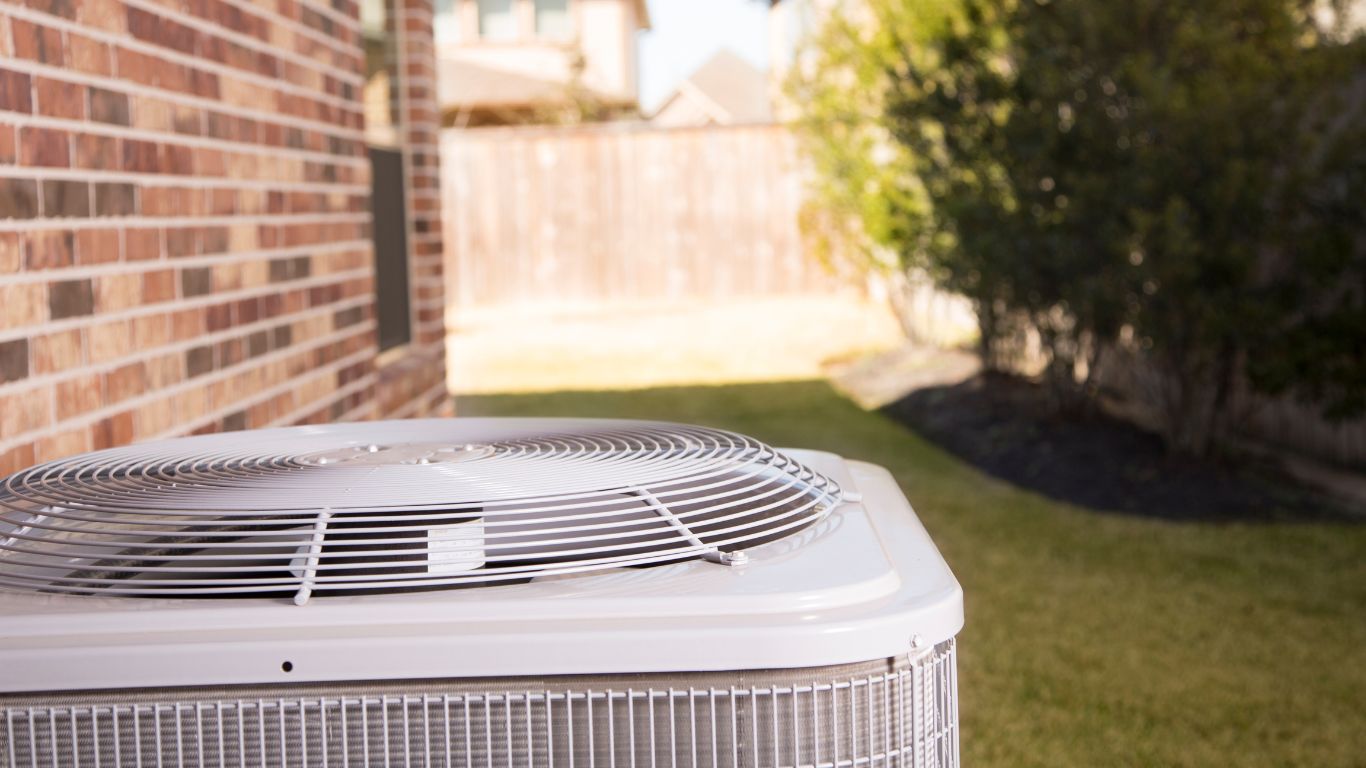
Refrigerant is the lifeblood of your cooling system. It moves through a closed-loop system of coils, absorbing heat from inside your home and releasing it outside. Here’s how it works:
When a leak occurs, the system loses refrigerant, which means it can’t effectively absorb or release heat. The result? Weak cooling, longer run times, and potential damage to your system.
A refrigerant leak isn’t just a minor issue — it can lead to major headaches, including:
The sooner you address the leak, the better — for your comfort, your wallet, and your AC system’s longevity.
The first step in dealing with an AC coolant leak is to identify it early. But how do you do that? By becoming familiar with the signs that hint at this problem. An AC coolant leak doesn’t have to be a mystery or a sudden, unwanted surprise. If you know what to look for, you can spot a potential leak before it escalates into a more serious issue. The following seven signs are red flags that could indicate your AC system is leaking coolant.
An air conditioner blowing warmer air than usual can be a clear indication of a coolant leak. You might notice that the air coming from your vents just isn’t as cold as it used to be, or even that it’s warm! This happens because the refrigerant plays a vital role in absorbing heat. When levels drop, your system’s cooling ability suffers. Schedule AC service today.
Experiencing a sudden, unexplained increase in your energy bills? It could be due to a leaking coolant. Here’s why: when the refrigerant level drops, your air conditioning system has to work extra hard to produce the same level of cooling. This increased workload translates to higher energy consumption, which in turn leads to increased utility bills. If your energy bills are unusually high, and your system is still underperforming, it might be time for a tune-up or leak inspection.
The sound of a hissing or bubbling noise coming from your air conditioning unit is not something you should ignore. These sounds could be the result of refrigerant escaping from a small hole in the coils, resulting in a hissing noise. Similarly, if there’s a larger leak, the refrigerant may form bubbles in the drain pan, leading to a bubbling sound. If you notice any of these unusual noises, it could be a sign of a coolant leak—don’t ignore it. Call our licensed HVAC technicians.
The sight of ice on your AC unit, especially in the heat of summer, can be quite surprising. While it may seem counterintuitive, this is actually a common symptom of a coolant leak. The refrigerant in the AC unit absorbs heat from the air, and when there’s not enough of it due to a leak, it can cause the condensation on the coils to freeze. As a result, you might see ice forming on the AC unit. We recommend enrolling in our Maintenance Plan to prevent buildup and leaks.
Is your air conditioner running for longer periods than usual? This could be another indication of a coolant leak. When the refrigerant levels drop, the air conditioning system struggles to reach and maintain the desired temperature. As a result, the system might continue to run for longer periods in an effort to cool your home, thereby indicating a potential leak. An overworked AC may need refrigerant or system replacement.
If you notice a strange smell when your air conditioner is running, it could be due to a coolant leak. The refrigerant used in AC units is a chemical compound, and when it leaks, it can produce a somewhat sweet, chloroform-like smell. If you notice any unusual smells around your AC, especially when it’s running, it could be a sign that coolant is leaking, and to contact us for AC repair services.
Perhaps the most obvious sign of a coolant leak is the sight of a physical leak around your air conditioner. Refrigerant is a liquid that can pool around your AC unit if there’s a significant leak. If you notice any strange liquids near your air conditioning system, it could be a sign that you have a coolant leak. If you notice liquid pooling near the unit, don’t wait. Request service online or call (734) 285-1809.
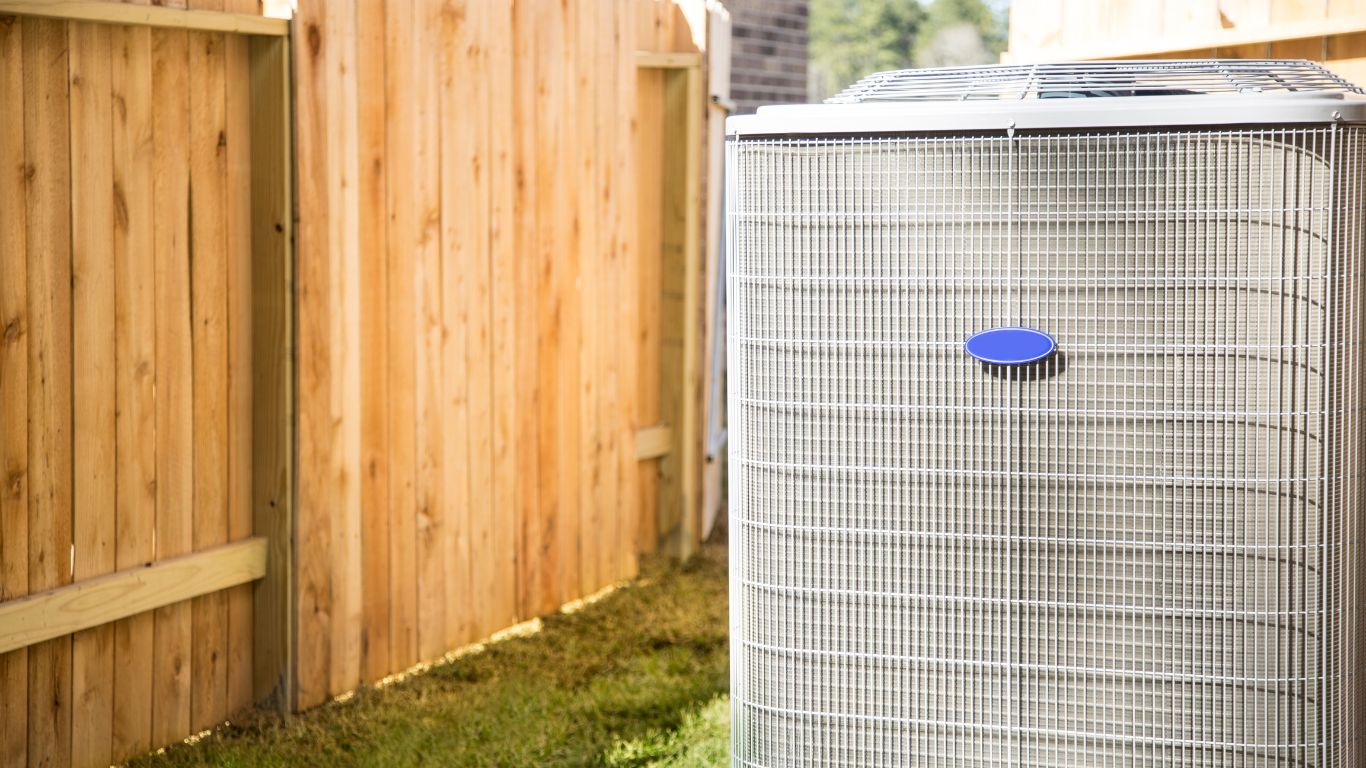
While dealing with an AC coolant leak can be quite a hassle, the good news is there are several proactive measures you can take to prevent such a situation from arising in the first place. A preventative approach not only safeguards your comfort during the hottest parts of the year, but it can also extend the lifespan of your AC system and save you from potential expensive repairs. The following tips outline some of the best practices for preventing coolant leaks.
Routine maintenance is a crucial measure for preventing most AC-related issues, including coolant leaks. This includes professional check-ups at least once a year where a technician will inspect, clean, and service your system to ensure it’s in top condition. Regular maintenance helps identify potential problems early before they become costly repairs.
Pro Tips:
An incorrectly set thermostat can make your AC work harder than necessary, leading to possible wear and tear, and even coolant leaks. Ensuring your thermostat is functioning properly and set to an appropriate temperature can help avoid unnecessary strain on your AC system.
Pro Tips:
A clean AC unit is less likely to encounter issues. Regular cleaning prevents dust and debris from clogging the system, which could lead to a myriad of problems, including leaks. Pay special attention to the outdoor unit which can easily gather debris from its surrounding environment.
Pro Tips:
Still using a system over 10 years old? Check out our residential AC systems or financing options to make upgrading easier.
Pro Tips:
Refrigerant is not “used up” — it cycles continuously. If levels are low, there’s a leak that needs to be fixed.
Air conditioner coolant leaks can be a real source of discomfort and a potential drain on your wallet. When your home isn’t as cool as it should be, or when you find your AC system struggling to maintain a comfortable temperature, it could very well be due to a coolant leak. The key here is early detection. By staying alert to signs such as warmer air output, increased energy bills, strange noises, ice formation, prolonged AC operation, unusual smells, or physical leaks, you can catch a potential coolant leak before it turns into a major, costly problem.
However, remember, prevention is often the best cure. Regular maintenance, appropriate thermostat settings, routine cleaning, and timely system upgrades can greatly reduce the risk of coolant leaks. Being proactive with these measures can save you a lot of trouble in the long run. Don’t wait until a problem arises. If you suspect an issue with your AC system or if you want to stay ahead with preventive maintenance, feel free to contact our expert team today at (734) 285-1809.
Share

Locally owned and operated in Southgate, MI since 1955, Flo-Aire Heating, Cooling & Electrical is one of the top heating & cooling companies in Southeast Michigan. Flo-Aire provides residential, commercial and industrial HVAC services throughout all of Metro Detroit.
Popular Posts
Signup for Offers